
When Grief Returns with Another Face
What makes Moonlight Express so captivating is not simply its “same face” premise, but the way it folds longing, trauma, and fate into a love story that feels almost like a dream. At its heart is a woman still trapped in the shadow of loss, who encounters a man in a foreign city bearing the exact face of the one she once loved. On paper, it sounds like the beginning of a romantic fantasy. Yet the film’s real strength lies in how it resists turning this reunion into a cheap miracle. Instead, it becomes something far more delicate: an emotional trial about whether love can return not as replacement, but as a chance to learn how to say goodbye—and how to live again.

"What makes Moonlight Express moving is not reunion, but the courage to step out from the shadow of loss."
Leslie Cheung: Tenderness, Distance, and a Sense of Fate
Leslie Cheung gives a performance here that is difficult to reduce to simple romantic charm. His character is not merely gentle or soulful; he carries a certain distance, exhaustion, and almost fatalistic coolness that keeps him from becoming an idealized romantic fantasy. That balance of warmth and detachment is exactly what gives the role its haunting power.
What makes Cheung so remarkable is how little he needs to do to convey emotional complexity. A glance, a pause, the smallest shift in posture—these are enough to express the contradiction at the center of the film: he is not the man she lost, yet he resembles him enough to reopen every wound. It is an extraordinarily restrained performance, full of precision and quiet control. Never melodramatic, yet always deeply affecting.
Takako Tokiwa and the Strength Hidden in Fragility
Takako Tokiwa brings a different emotional current to the film. Her grief is not loud or theatrical, but internalized—buried in hesitation, silence, and emotional restraint. Her character seems to live constantly on the edge of feeling, longing to move forward but fearful that what she sees in this new man is only a reflection of someone she cannot let go of.
That is precisely why the romance in Moonlight Express feels so moving. It is not built on explosive passion, but on caution, uncertainty, and gradual emotional recognition. The film lets us watch two wounded people slowly approach each other, while also trying to understand themselves. It is a slow burn, but one that earns its tenderness through patience and emotional honesty.
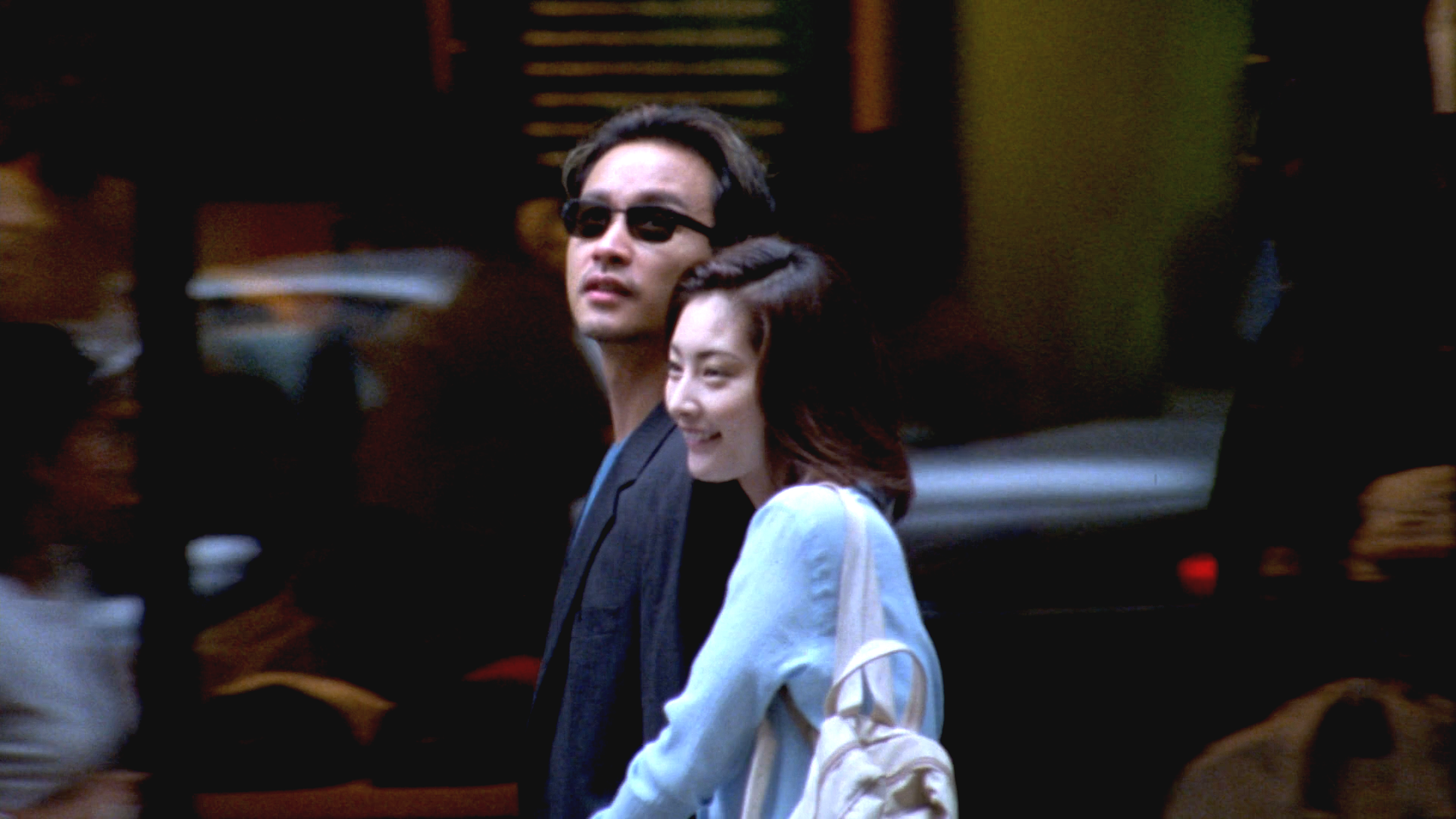
"Sometimes you think you are searching for someone, only to realize you are really searching for a reason to keep living."
Moonlight, City Nights, and the Mood of an Urban Fairytale
If the performances give the film its emotional weight, then the visuals and score are what complete its spell. Moonlight Express feels drenched in night—city lights, drifting shadows, damp streets, and soft glows that give the entire film a mood of melancholy and romantic uncertainty.
This atmosphere is crucial, because it defines the film as something more than a conventional love story. It exists somewhere between realism and dream, between crime thriller and emotional fairytale. The encounters feel improbable, perhaps even unreal, and yet the film invites you to believe in them anyway. You know fate rarely offers such mercy, but for the length of the film, you want to believe it might. That is the magic of Moonlight Express: it allows danger and tenderness, suspense and healing, to occupy the same emotional space.
Not a Story About Replacement, but About Healing
Films built around a “lookalike” premise often risk becoming stories about emotional substitution. Moonlight Express, however, is ultimately not interested in asking who can replace whom. What it really asks is whether another person can help us survive what we thought we could never move beyond.
That is why the film’s most affecting moments do not come from the coincidences in its plot, but from the clarity and hesitation within its relationships. Both characters understand that projection is at work. Both understand that if love is to mean anything, it must move beyond memory and toward the truth of the person standing in front of them. That emotional restraint keeps the film from slipping into sentimentality, and gives it a lingering aftertaste that remains long after it ends.
Verdict
A sorrowful fairytale wrapped in moonlight
10/10Moonlight Express is not a film driven by razor-sharp plotting, but by emotional precision and atmosphere. Leslie Cheung delivers one of those performances that lingers effortlessly, while Takako Tokiwa gives the romance its soft but resilient emotional core. It is a film about love, but also about grief; about fate, but also about the slow repair of the self. Years later, it still leaves behind the quiet glow of moonlight and the ache of something half-remembered.